


The best time to trim your hedges is before the longest day. I always remember myself “prune in June” and because we have in Laren the only procession above the major rivers around that longest day, I have two reminders! You still have some days to go until June 21st. So, trim your hedges before the longest day.
Why trim your hedges?
- To keep the right shape
- Stimulate growth, pruning encourages plants to produce new shoots and leaves
- Removing excess foliage, dead or diseased wood reduces the risk of fungal diseases


Where do you have to think of if you want to trim the hedges:
- Are you sure there are no bird nests in the hedge
- Try to trim along a rope to make a nice horizontal cut
- let the hedge spread wider at the bottom so that the lower branches also receive sufficient light
- check how far you can prune back. (with a yew this is possible on top of the wood, but with a conifer never on top of the wood).


General pruning tips
- Use sharp and clean tools to make clean cuts
- Make cuts just above a bud that faces outward to encourage growth in the desired direction
- Try not to remove more than one third of the hedge at one time
- Do not prune in very hot weather

Did you visit our LTK shop already? All products featured in our boutique are independently selected by our editors. However, when you buy something through our retail links, we may earn an affiliate commission. This way we can keep our site online and free of charge for you!
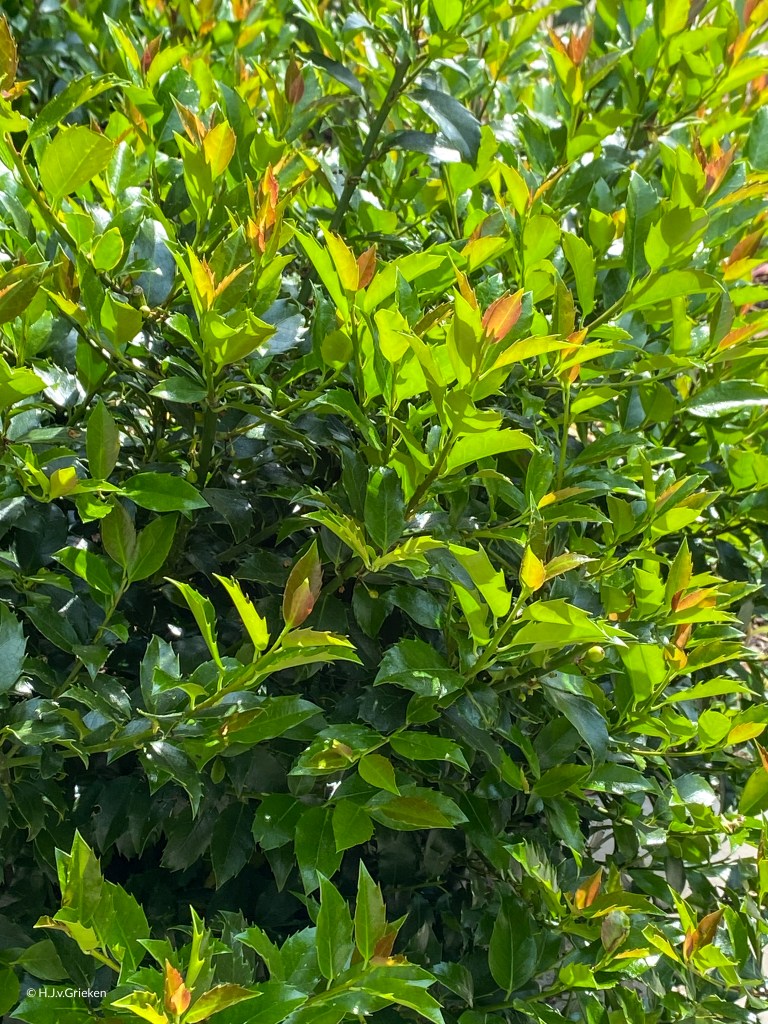
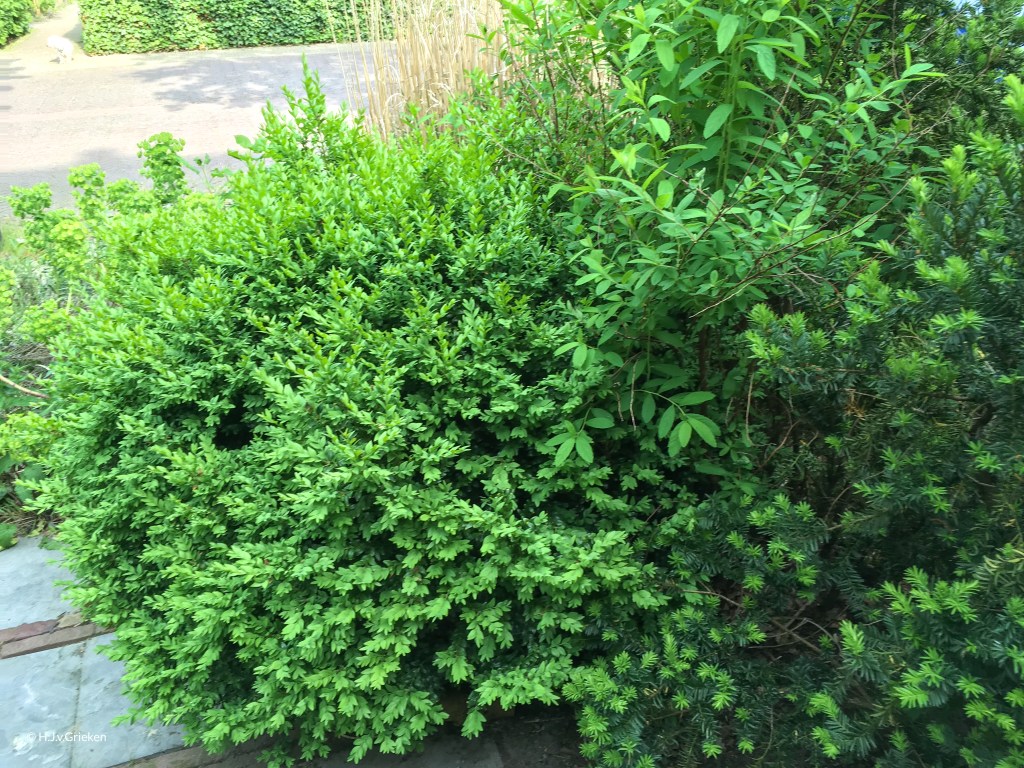
Bonus Tips
- Tips about perennials here
- The needles of the Taxus Baccata (Yews) contain the important basic raw materials for chemotherapy. In the Netherlands you can have a wheelbarrow full of pruned Taxus Baccata collected. Read more about it here.

Yew cuttings to fight cancerYew hedges which have grown at St John’s for over 60 years are being used to make drugs to fight cancer.
The mature hedges in the Master’s garden are clipped annually to maintain their shape and promote new growth. Rather than being burned or composted, however, the clippings are now being collected and used in the manufacture of drugs for chemotherapy.
English yew (taxus baccata) contains poisonous alkaloids that prevent cell division in humans and animals. Because of their toxicity, the planting of yew trees has often been restricted due to health concerns. While deadly at high doses, research conducted in the 1990s by scientists from Leicester University and the University of Manchester showed that a particular compound extracted from yew needles can be lethal to leukaemia cells and cancerous tumours in humans, preventing them from growing and dividing.
St John’s College, University of Cambridge
So trim your hedges before the longest day and enjoy your garden this summer!


