


If you have read my “all shades of green” blogs, you will know that I am a fan of Piet Oudolf gardens. The style: a natural garden emphasizing perennial plants and the structure of waves because of the repetition of perennials (including many grasses). Now that we can speak of 15 years of the High Line, a green revolution in the urban landscape, I would like to tell you more about this New York Highlight.
The Birth of the High Line: From Abandoned Tracks to Urban Oasis
The High Line opened in 2009. Before 1924 the New York Railroad delivered food to lower Manhattan by trains on street level. But the trains were dangerous for pedestrians. Many were killed and 10th Avenue became known as “Death Avenue.” In 1924 street level crossings became forbidden and in 1933 the first trains ran on the High Line.
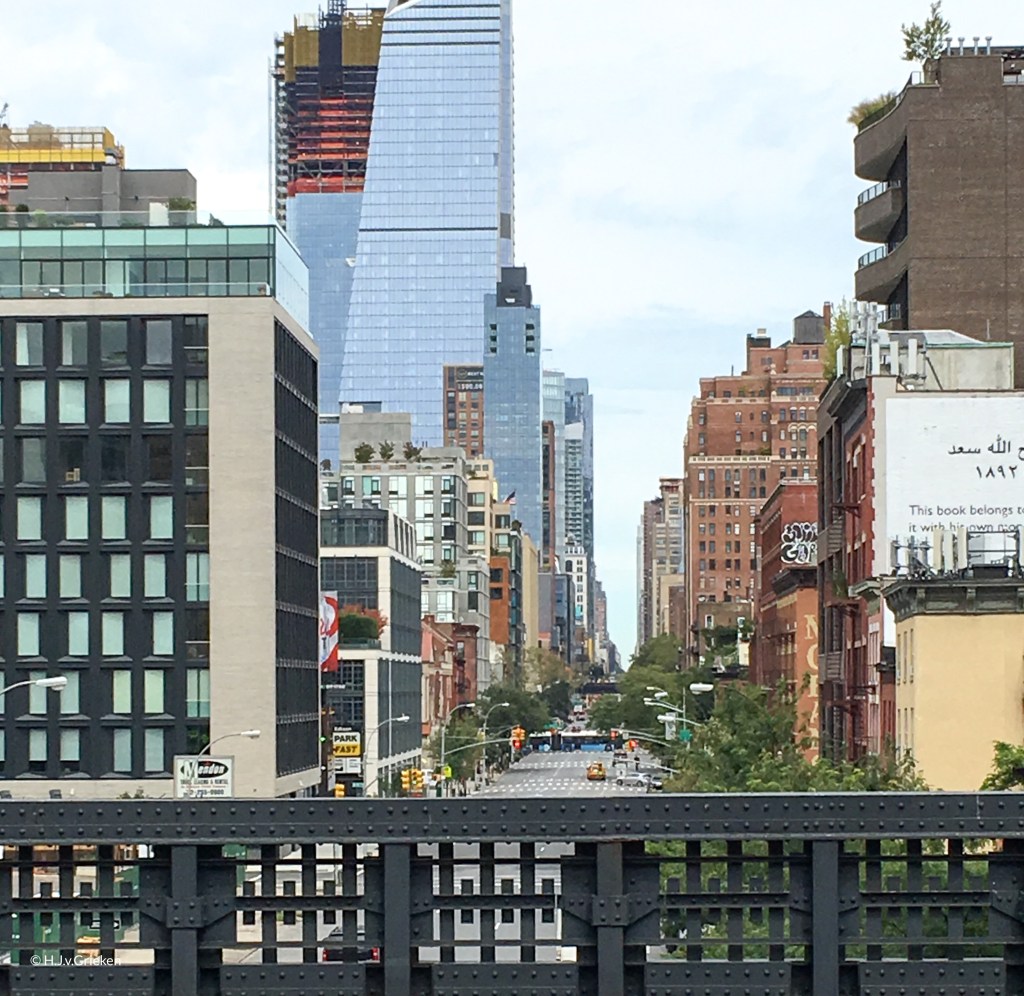
From about 1960 the transport by train decreased, trucks took over and in 1983 allowed people to transform old rail lines into recreational areas. In 2003 “Friends of the High Line” hosted an ideas competition. This resulted in a team transforming the High Line of Landscape architecture firm James Corner Field Operations; design studio Diller Scofidio and Renfro; and planting designer Piet Oudolf. So, in 2009 the former abandoned tracks were transformed into an urban oasis.
Piet Oudolf’s Vision
Piet Oudolf’s vision centers on the idea that plants should be appreciated for their entire lifecycle. Not only are the flowers in spring and summer attractive but also the decay in autumn and the form of the plants in winter. It is not a manicured garden but a celebration of nature. This does not mean that you let everything grow into a wilderness. No, you try to help the balance in the garden by removing aggressive plants and that you take care that the light can reach the soil. It must feel as if nature has done this itself. Spontaneity and unpredictability are valued but softly guided!
On the High Line, Oudolf’s planting design mimics natural environments, using perennials, grasses, and shrubs that evoke prairies, meadows, and woodland edges. His approach is both aesthetic and ecological, aiming to create a resilient, self-sustaining ecosystem. The plantings are layered, mixing textures, colors, and heights to create a tapestry that changes constantly, giving visitors new experiences throughout the year.
Piet Oudolf’s seasonal planting
As described the plants are attractive in all seasons. This makes it worth a visit every time of the year.
Spring: The Awakening
In spring, the High Line comes alive with fresh, tender shoots, early blooming perennials, and swathes of delicate bulbs like crocuses and daffodils.

Summer: The Tapestry of Color
Summer is the most vibrant phase, where a diverse palette of perennials and grasses reaches its peak. Tall spires of plants like coneflowers, liatris, and astilbes add bold color, while grasses such as panicum and switchgrass provide structure and movement.


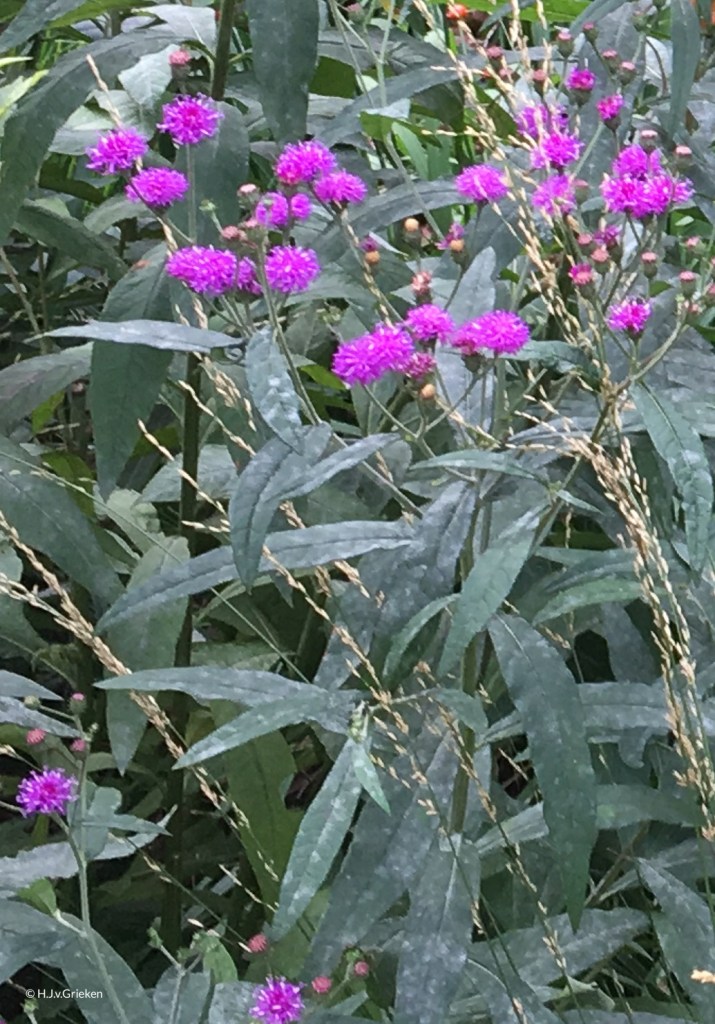
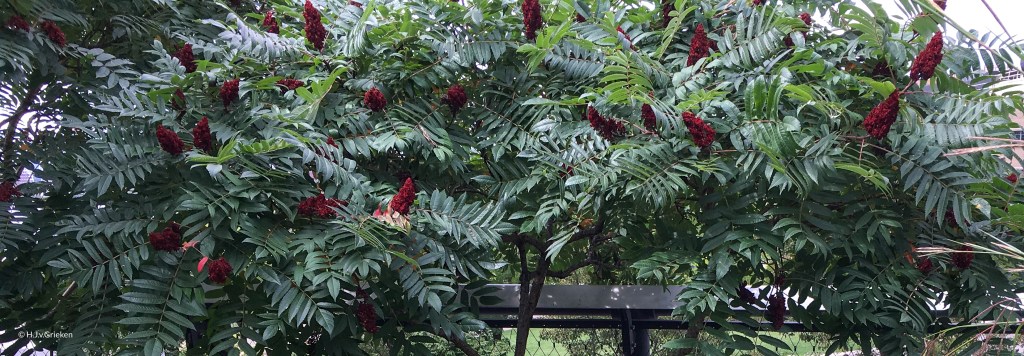
Fall: The Golden Glow
In fall, Oudolf’s plantings take on rich, warm tones. Grasses turn shades of gold, russet, and bronze, and the fading flowers of late bloomers, such as asters and echinacea, create an autumnal tapestry. This phase is as much about texture as color, with seed heads, stems, and foliage.
Winter: The Beauty of Decay
Where many gardens go dormant in winter, Oudolf’s planting shines with a stark, sculptural beauty. Dried stems, seed heads, and grasses stand tall against the winter sky. Plants used are sedum and rudbeckia.


The lessons learned from 15 years of the High Line
The High Line, after 15 years of evolution, has become a global model for sustainable urban design. It demonstrates how cities can creatively repurpose forgotten infrastructure while embracing ecological principles. Its transformation from an abandoned elevated railway to a thriving park highlights important lessons. Lessons about sustainability, community engagement, and the role of nature in urban spaces.
Bonus Tips
Other locations where old public facilities have been transformed into innovative urban design projects:
- Promenade Plantée – Paris, France (already in 1993)
- The Goods Line – Sydney, Australia
- The Bentway – Toronto, Canada
- Sky Garden – Seoul, South Korea
More about how to update your garden in Piet Oudolf Style read my blog: your garden inspired by Piet Oudolf
Enjoy autumn and try to have a fresh look at the plants at this time of the year.


